

Ferroptosis and Oxidative Stress in Sickle Cell Anemia
DOI:
https://doi.org/10.14740/jh2225Keywords:
Anemia, Oxidative Stress, Ferroptosis, Africa, ROSAbstract
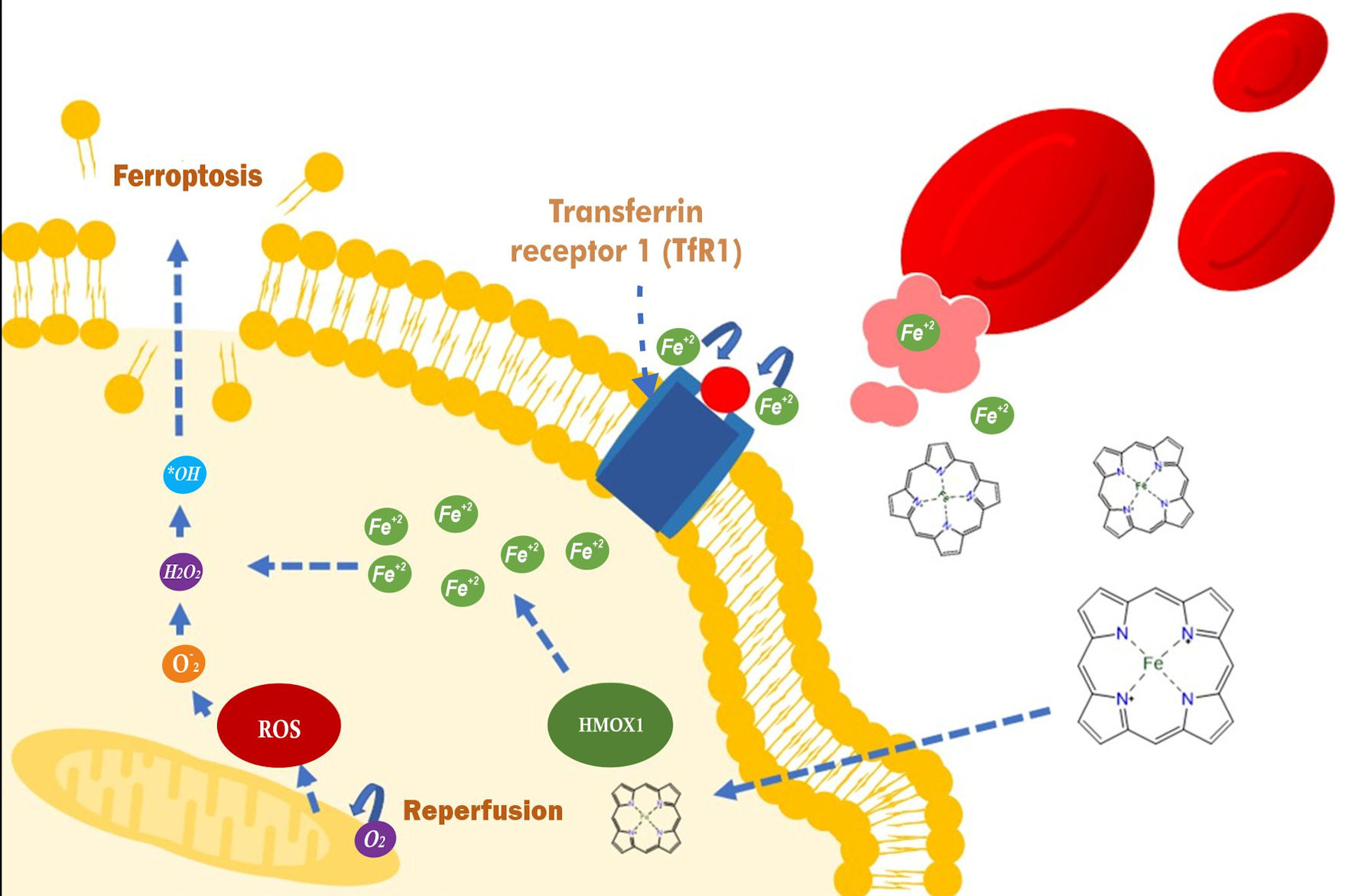
Ferroptosis, an iron-dependent cell death, plays a key role in the pathophysiology of sickle cell disease (SCD). This study is a narrative review on oxidative stress and ferroptosis in children with SCD in Africa and Colombia, through literature searches to select articles published between 2019 and 2024. The search included terms such as “sickle cell,” “oxidative stress,” “ferroptosis,” “Africa,” and “Colombia,” consulting databases like PubMed, Springer, Google Scholar and ScienceDirect, and selecting 11 relevant studies. The results show that ferroptosis, induced by the accumulation of free iron, lipid peroxidation, and increased reactive oxygen species (ROS), worsens complications such as kidney damage, vase-occlusive crises, and chronic inflammation. In Africa, factors like low hepcidin levels and genetic mutations, such as Q248H in ferroportin, increase oxidative stress and susceptibility to ferroptosis. In Colombia, the high prevalence of hemoglobin S in the Caribbean and Pacific regions is associated with severe crises and significant tissue damage. Clinical cases suggest that hydroxyurea reduces vaso-occlusive crises by raising fetal hemoglobin (HbF) levels and chelating free iron. Although ferroptosis is a secondary mechanism in the pathophysiology of SCD, it significantly amplifies complications, making it essential to implement therapeutic strategies that regulate iron homeostasis and reduce oxidative stress using antioxidants and lipid peroxidation inhibitors.
Published
Issue
Section
License
Copyright (c) 2026 The authors

This work is licensed under a Creative Commons Attribution 4.0 International License.