| Journal of Hematology, ISSN 1927-1212 print, 1927-1220 online, Open Access |
| Article copyright, the authors; Journal compilation copyright, J Hematol and Elmer Press Inc |
| Journal website https://jh.elmerpub.com |
Original Article
Volume 15, Number 5, October 2026, pages 236-247

Higher Relapse Rate and Resource Utilization With Ara-C Consolidation Chemotherapy Alone Compared to Hematopoietic Cell Transplantation in First Remission in a Cohort of Younger Adults With Acute Myeloid Leukemia With t(8;21) (q22;q22.1)
Fatima AlAlia, h, Ahmed Alahmdia, Abdulrahman Nasirib, Walid Rasheeda, Ahmad S. Alotaibia, Mohamed Hitham Almahaynia, Marwan Shaheena, Tusneem Elhassanc, Haya Alothaimeenc, Mansour Alfayeza, Ali AlAhmaria, Hanan Alkhaldia, Omar Albanyana, Shahrukh Hashmia, Naeem Chaudhria, Salim Khalild, Fahad AlSharifa, Said Y. Mohameda, Feras Alfraiha, Hala AbaAlkhaild, Shad Ahmede, Ghada ElGoharyf  , Taimoor Husseing, Ahmed Kotob Abdraboua, Alfadil Adama, Mostafa Saleha, Ahmed Bin Slamana, Momen Nassania, Yazeed Bajuaifera, Heba Madiena, Shihab Ahmeda, Samar Alfaqaawia, Chokri Benlaminea, Leenah Alia, Marwa Nassara, Manar Aleida, Nourah Alzaidya, Riad ElFakiha, Ayman Saada, Amr Hanbalia, Hazzaa Alzahrania, Mahmoud Aljurfa, Fahad Almohareba, Syed Osman Ahmeda
aAdult Hematology and Hematopoietic Stem Cell Transplantation, King Faisal Specialist Hospital and Research Centre, Riyadh, Saudi Arabia
bCollege of Medicine, Imam Mohammad ibn Saud Islamic, Riyadh, Saudi Arabia
cOncology Research Unit, King Faisal Specialist Hospital and Research Center, Riyadh, Saudi Arabia
dDepartment of Pathology, King Faisal Specialist Hospital and Research Center, Riyadh, Saudi Arabia
eAdult Clinical Hematology & HSCT, Department of Hematology, Prince Sultan Military Medical City, Riyadh, Saudi Arabia
fDepartment of Hematology, Specialized Medical Center, Riyadh, Saudi Arabia
gSwansea Bay University Health Board, Wales, UK
hCorresponding Author: Fatima AlAli, Adult Hematology and Hematopoietic Stem Cell Transplantation, King Faisal Specialist Hospital and Research Centre, Riyadh, Saudi Arabia
Manuscript submitted June 23, 2026, accepted October 5, 2026, published online October 31, 2026
Short title: Auto-HCT in t(8;21) AML
doi: https://doi.org/10.14740/jh2203
| Abstract | ▴Top |
Background: Acute myeloid leukemia (AML) with t(8;21) is generally classified as favorable-risk AML, with high-dose cytarabine consolidation considered standard post-remission therapy (PRT). However, relapse rates remain substantial in some populations, raising uncertainty about whether transplantation in first complete remission may benefit selected patients.
Methods: We performed a retrospective analysis of 59 patients with AML t(8;21) treated entirely at a single tertiary institution. Patients received standard induction chemotherapy followed by PRT with high-dose cytarabine chemotherapy, autologous hematopoietic cell transplantation, or allogeneic hematopoietic cell transplantation. Survival outcomes, relapse incidence, prognostic factors, non-relapse mortality, and healthcare resource utilization were analyzed.
Results: The median age was 23 years, and 93% achieved complete remission after induction therapy. The 10-year event-free survival and overall survival for the entire cohort were 47% and 50%, respectively. A white blood cell count < 20 × 109/L and diagnosis after 2005 were independently associated with improved overall survival. Among 49 patients receiving adequate PRT in first remission, relapse was significantly higher with high-dose cytarabine alone compared with transplantation: 5-year cumulative incidence of relapse was 71.1% versus 31.6%, respectively. Five-year overall survival was 55.9% with high-dose cytarabine, 77.5% with autologous transplantation, and 64.6% with allogeneic transplantation. Autologous transplantation was associated with lower first-year cost and reduced bed utilization.
Conclusion: In this cohort of predominantly young Middle Eastern patients with AML t(8;21), outcomes with high-dose cytarabine consolidation alone were modest, with an unexpectedly high relapse rate. Transplantation in first remission, particularly autologous transplantation, appeared feasible, safe, cost-effective, and associated with lower relapse risk. Prospective studies incorporating molecular risk stratification, minimal residual disease monitoring, gemtuzumab ozogamicin, quality-of-life assessment, and cost-effectiveness analyses are warranted.
Keywords: Acute myeloid leukemia; t(8; 21); Core-binding factor AML; Autologous Hematopoietic cell transplantation; Allogeneic hematopoietic cell transplantation; High-dose cytarabine; Post-remission therapy; Relapse; Resource utilization
| Introduction | ▴Top |
The core-binding factor (CBF) acute myeloid leukemias (AMLs) are among the most frequent subtypes of cytogenetically abnormal AML; AML with t(8;21) constitutes approximately 5% of AML cases, is associated with an FAB M2 morphology, and is classified as a favorable-risk subtype in all cytogenetics-based risk classifications [1, 2]. Extended monitoring of a substantial cohort of CBF-AML patients has revealed a concerning relapse rate of up to 40%. Furthermore, the median overall survival (OS) for this group is less than 5 years, which reflects the considerable clinical and genetic diversity within this subtype [3]. A number of presenting risk factors within this subgroup have been implicated to predict outcome, including a white blood cell count (WBC count > 20 × 109/L), c-KIT mutation, a WBC index, blast percentage, and CD56 expression, among others [4–8]. More recently, studies have demonstrated that minimal residual disease (MRD) response may be the most important post-treatment factor that predicts outcomes [9, 10].
Based on the CALGB 8461 study that demonstrated superior survival for patients who received sequential cycles of high-dose cytarabine (HIDAC), compared to those who only received a single cycle, administration of HIDAC consolidation at doses of 2–3 grams/square meter (g/m2) has been standard practice [11]. Subsequent studies have failed to show a survival advantage of more intensive post-remission approaches. The UK MRC-AML15 study reported an OS of 95% for patients with favorable risk who received fludarabine, cytarabine, granulocyte colony-stimulating factor (G-CSF), and idarubicin (FLAG-Ida) double induction followed by HIDAC consolidation, while also demonstrating similar outcomes with 1.5 vs. 3 g/m2 in consolidation cycles [12]. Post-remission consolidation with hematopoietic cell transplantation (HCT) has not demonstrated an OS benefit over chemotherapy to date and thus is not currently recommended [13].
When implementing a strategy of sequential HIDAC consolidation at our institution, we found an unacceptably high rate of relapse [14, 15]. Similarly, a number of Asian countries have reported similar suboptimal outcomes with chemotherapy alone, and ethnic differences in outcomes have been reported from North America [16–18]. We sought to analyze baseline features and post-treatment outcomes of patients with AML t(8; 21) treated at our institution, and to compare outcomes of those who have received chemotherapy alone versus those who received either an autologous (autoHCT) transplant or allogeneic HCT (alloHCT) in CR1.
| Materials and Methods | ▴Top |
Patients
A retrospective analysis of two institutional research board (IRB)-approved AML registry studies was carried out. All patients with AML with karyotypic or fluorescence in situ hybridization (FISH) confirmation of t(8;21) were included. In order to minimize referral bias resulting from referral of high-risk cases to our tertiary referral center for further management or transplantation, only patients fully treated at our center and for whom full diagnostic and treatment data were available at our institution were included in the analysis, and patients who may have received induction and/or consolidation therapy elsewhere were excluded.
Patients were diagnosed between August 1988 and August 2016, and observation continued through last contact in June 2017; median follow-up, estimated among the 34 patients known to be alive at last contact, was 7.7 years (range 0.6–22.9 years). This long accrual period spans considerable evolution in diagnostic and supportive care practice, addressed further in the Discussion.
Treatments
Induction therapy
Patients were treated according to our standard institutional protocol of idarubicin 12 mg/m2 days 1–3, cytarabine 100 mg/m2 days 1–7 (3+7), and etoposide for 5 days (3+7 + etoposide or “ICE”). Etoposide was omitted in cases where toxicity of an added agent was a concern, or in the presence of myelodysplastic features. A bone marrow response assessment was carried out at day 14 and patients received a re-induction in the presence of significant residual blasts. Re-induction strategies consisted of fludarabine and Ara-C (FA) if the excess was in the context of a hypercellular marrow, or reduced days of idarubicin and cytarabine (2+5) if the marrow was hypocellular.
Post-remission therapy (PRT)
Based on published reports, patients with what at the time were deemed to be potentially high-risk features, including CD56, extramedullary disease (EMD) or presence FLT3-ITD or KIT mutation were considered to be high risk and would have been offered an alloHCT transplant in the presence of a matched related donor. Otherwise, patients received 3–4 cycles of HIDAC at 3 g/m2 administered twice daily on days 1, 3, and 5.
After an observation of high relapse rates with those treated with HIDAC, a series of patients were treated with high-dose Ara-C and mitoxantrone (HAM) consolidation and mobilization (Ara-C 2 g/m2 twice daily days 1–4, and mitoxantrone 10 mg/m2 days 1–3), and G-CSF 10 µg/kg daily from day 14 (subsequently changed to day 7), followed by myeloablative conditioned (busulfan and etoposide) autoHCT. Patients who did not mobilize with initial HAM had attempted second mobilization with cyclophosphamide + G-CSF.
There were therefore three PRT groups: HIDAC chemotherapy, autoHCT, and alloHCT.
Resource utilization
An institution-based system was used to calculate cost-to-payer direct charges. The financial system was live since 2011 at our institution, and provided comprehensive itemized billing for each patient care episode. These data were normalized to the Saudi Arabian monetary system and as presented are not consumer price index (CPI) adjusted. Bed utilization days, emergency room attendances, and clinic visits were obtained from the institutional electronic data warehouse.
Statistical analysis
Definitions for response and relapse were as per accepted criteria [1, 19]. For investigating prognostic factors at presentation, categorical variables were summarized as frequency counts and percentages and compared using the chi-square test. Continuous variables were summarized as the median and range and compared using the Mann–Whitney test. Probabilities of OS, disease-free survival (DFS), and graft-versus-host disease (GVHD) and relapse-free survival (GRFS) were calculated using Kaplan–Meier estimator and compared between the groups using the log-rank test. Statistical analyses were carried out with IBM SPSS version 20.
OS was calculated for all patients including patients with refractory disease, while DFS was applied for patients who achieved complete remission (CR). Probabilities of non-relapse mortality (NRM), relapse, and chronic GVHD (cGVHD) were calculated using cumulative incidence function accounting for competing risks and compared using Gray’s test using R. Cox proportional hazards regression model was utilized to assess the impact of proposed risk factors on OS. Risk factors that were tested for prognostic impact included: age, WBC count < or > 20 × 109/L and platelet count < or > 20 × 109/L, as a dichotomous variable; gender, period of diagnosis (before or after 2005), EMD, CD56 expression, c-KIT mutation, additional cytogenetic abnormalities, deletion 9q, and the loss of sex chromosome, trisomy 8, number of courses to achieve CR1 (1 vs. > 1) in patients achieving CR, and MRD positivity.
Ethical considerations
This study was conducted based on the retrospective analysis of institutional AML registry data, in accordance with the principles of the Declaration of Helsinki, and approved by the Institutional Review Board of King Faisal Specialist Hospital and Research Centre, Riyadh, Saudi Arabia. No animal subjects were involved in this study.
| Results | ▴Top |
Outcomes of entire cohort
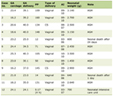
A total of 59 patients fulfilled the eligibility criteria. The median age of patients was 23 years (range 14–57), and most (85%) of the patients were adolescent and young adults, aged less than 40 years. Patient characteristics are shown in Table 1. Baseline characteristics stratified by PRT arm are shown in Table 2; the three arms were broadly similar with respect to WBC > 20 × 109/L, EMD, CD56 positivity, additional cytogenetic abnormalities, del(9q), and sex (all P > 0.05), although patients receiving autoHCT were older on average than those receiving alloHCT (median 31 vs. 20.5 years, P = 0.029).
 Click to view | Table 1. Patient Characteristics |
Click to view | Table 2. Baseline Characteristics of the 49 Patients Receiving Adequate Post-Remission Therapy, by Treatment Arm |
Of the patients, 31% had a WBC greater than 20 × 109/L, and 63.7% had additional cytogenetic abnormalities. c-KIT mutation status was only available in 21 patients and was mutated in three of these 21 cases (14%). FLT3[ASOA2]-ITD mutation analysis was available in only 14 patients and was positive in only one out of these 14 cases (7%).
Responses
Thirty-nine (66%) patients received ICE and 17 (29%) received 3+7 induction; one patient each received induction with FLAG-Ida, FA, and HIDAC (n = 3, 5%). Of all treated patients, 84% achieved a CR or complete remission incomplete count recovery (CRi), after a single cycle of induction. The overall remission rate after 1–2 cycles of chemotherapy was 93%. Two additional patients achieved a CR after three cycles of chemotherapy and were included in the analysis of PRT. There were no induction deaths in this cohort.
Of the 55 patients achieving morphological remission after 1–2 cycles, three patients though being in morphological CR, had FISH positivity; all three had equivocal immature myeloid cells by flow cytometry. Six of 55 (11%) patients in CR were deemed positive by flow cytometry and none of these were FISH positive.
Molecular responses, assessed by RT-PCR of RUNX1/ETO transcripts, were available from 2012 onward on a limited number of patients (n = 12). Of these, nine (75%) patients had > 2 log reduction in transcript levels.
Event-free survival (EFS) and OS
The 10-year EFS for the entire cohort was 47% (± 7). The 10-year OS was 50% (± 7.6) (Fig. 1 and 2).
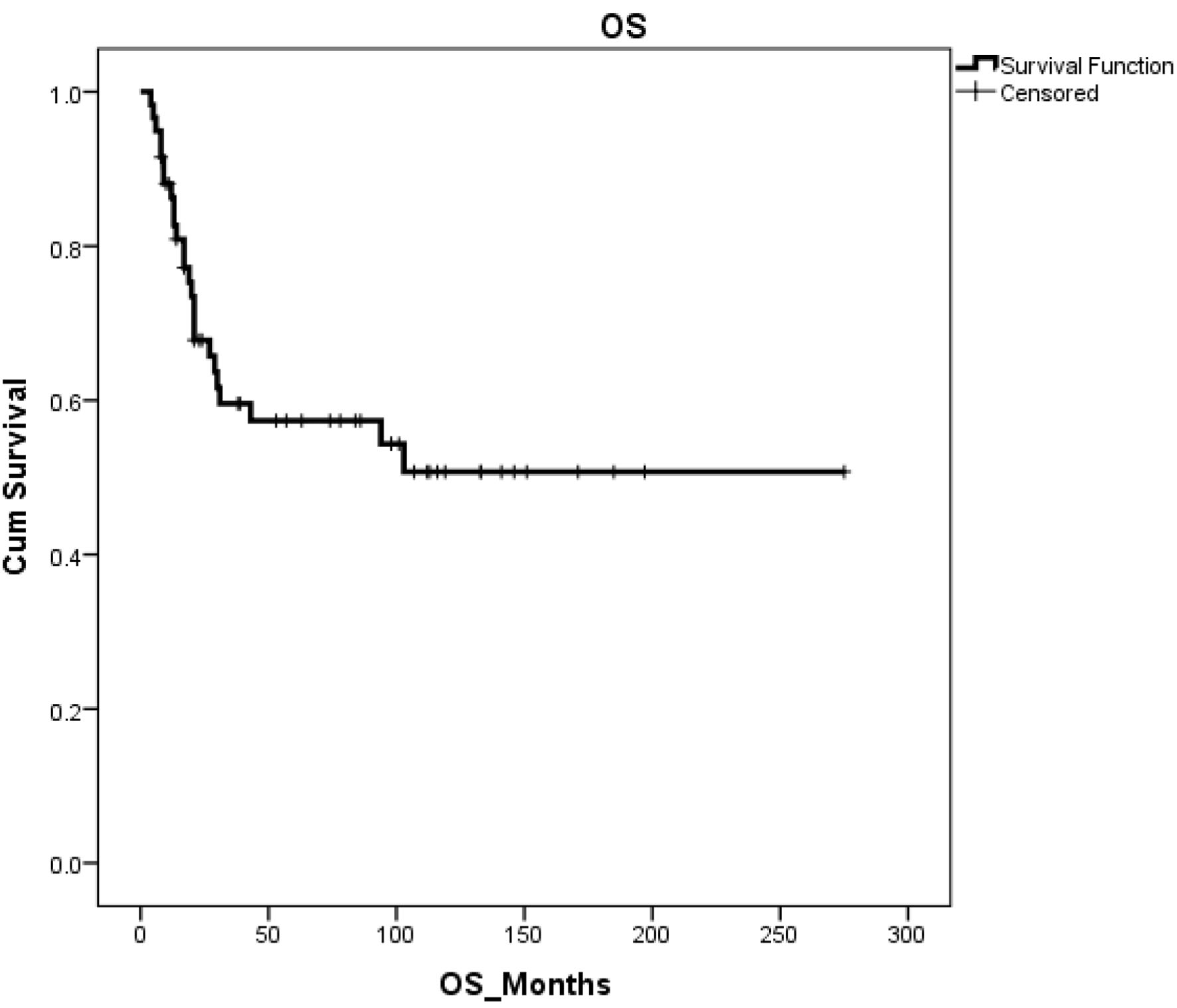 Click for large image | Figure 1. Overall survival for all patients. |
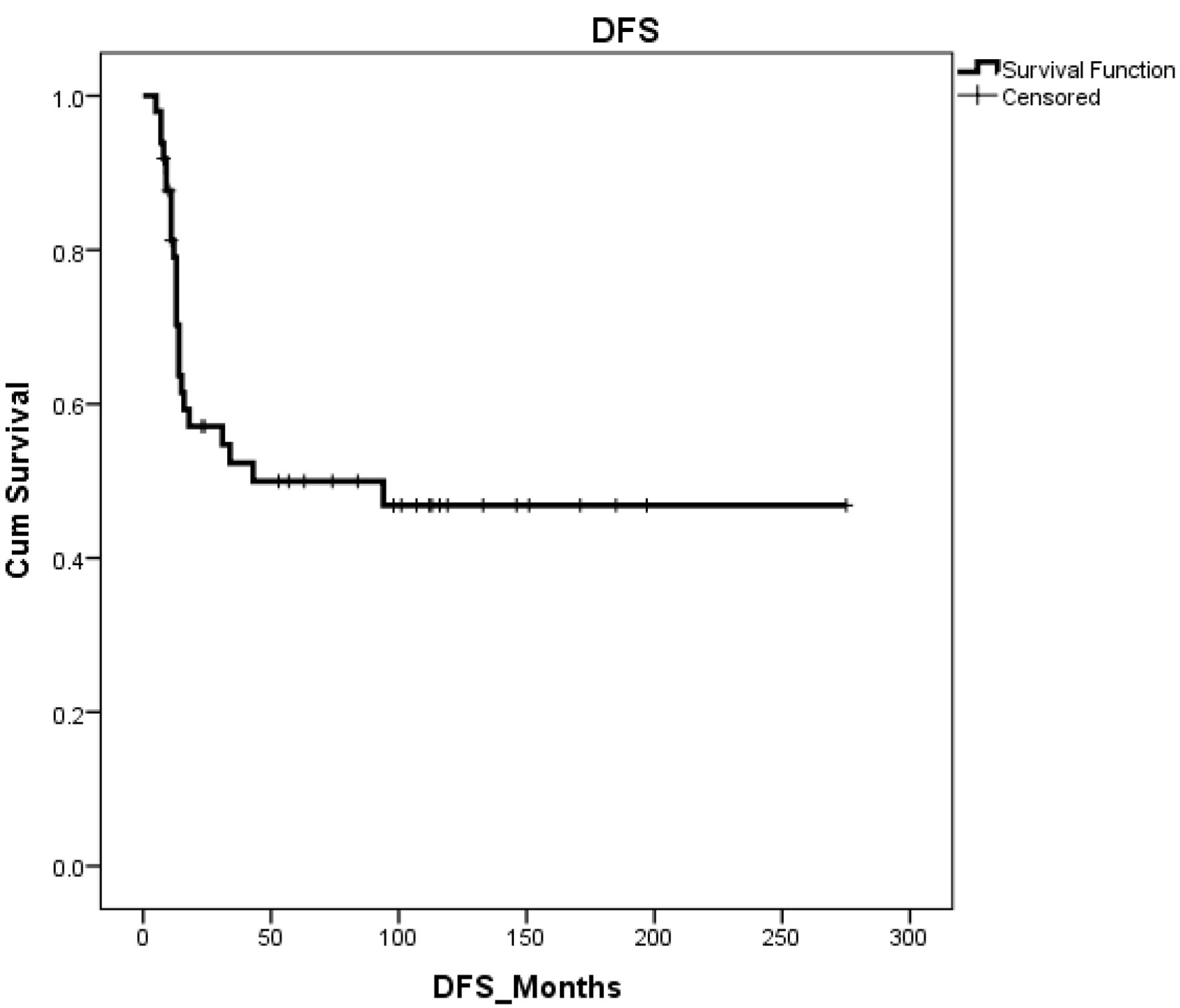 Click for large image | Figure 2. Disease-free survival for patients achieving remission. |
On univariate analysis, WBC < 20 × 109/L (Fig. 3), year of diagnosis after 2005 (Fig. 4), and the presence of EMD (Fig. 5) were associated with an improved OS; patients with EMD had an OS of 100%. In multivariate analysis, only a WBC of < 20 and diagnosis after 2005 retained significance in predicting a better outcome (P = 0.005 and 0.028, respectively). Additional cytogenetic abnormalities, present in 63.7% of the cohort, were also formally tested: on univariate analysis, they were not associated with OS (log-rank P = 0.96, comparing 36 patients with vs. 20 without an additional abnormality), and on multivariable analysis adjusting for WBC and era of diagnosis, they remained non-significant (hazard ratio (HR) 1.24, 95% confidence interval (CI) 0.53–2.92, P = 0.63).
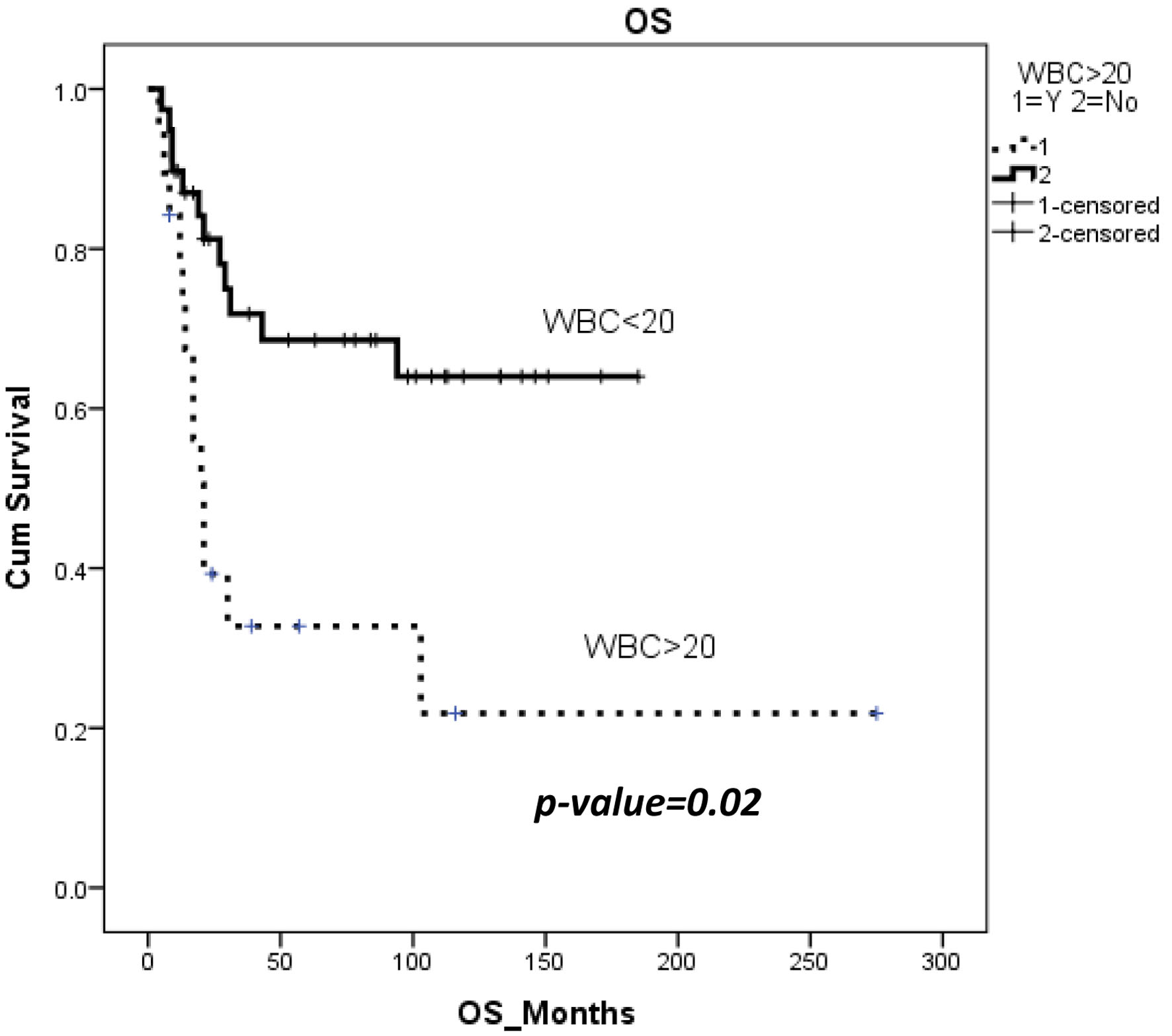 Click for large image | Figure 3. Overall survival difference by white blood cell count > or < 20. |
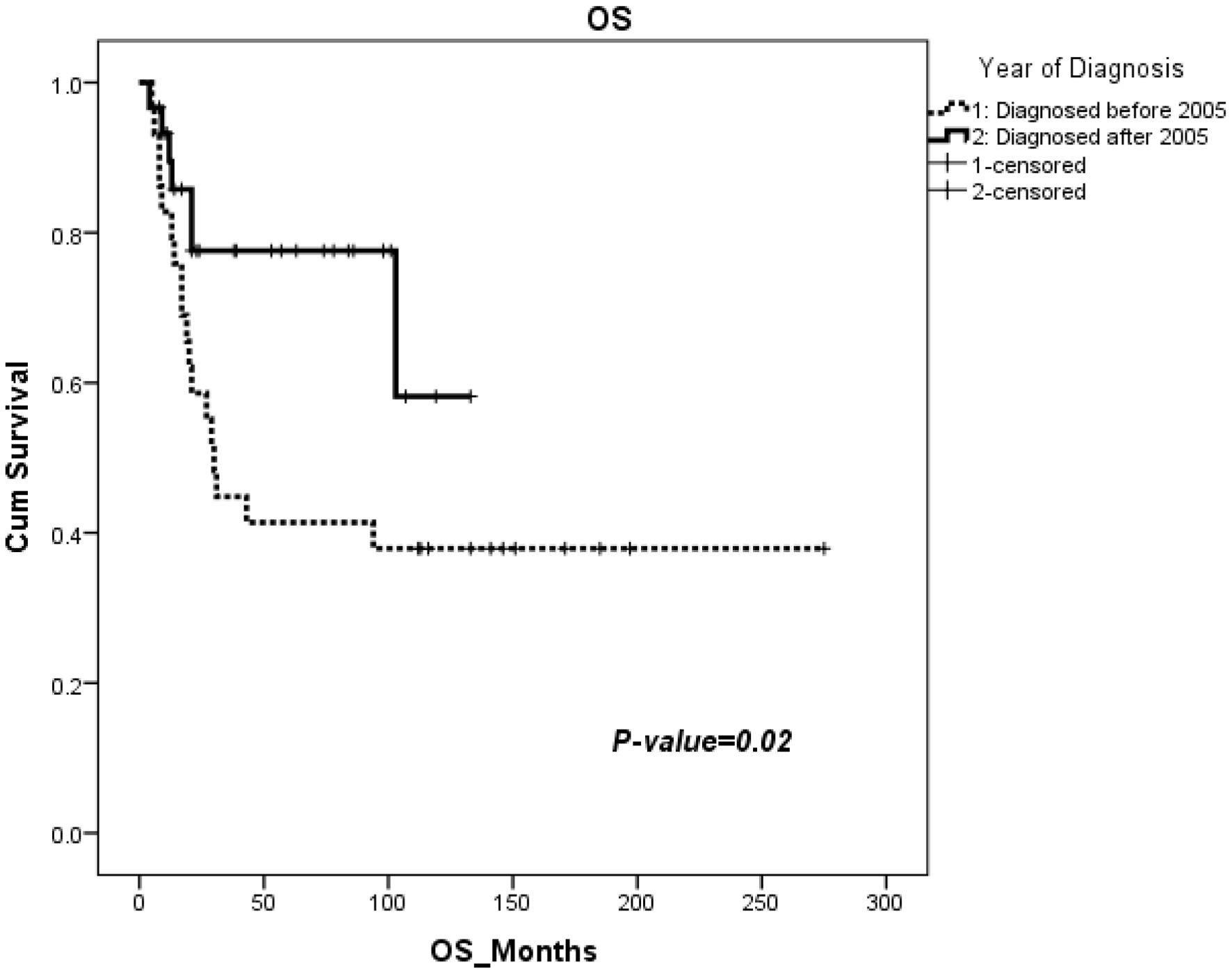 Click for large image | Figure 4. Overall survival by era of treatment, before or after 2005. |
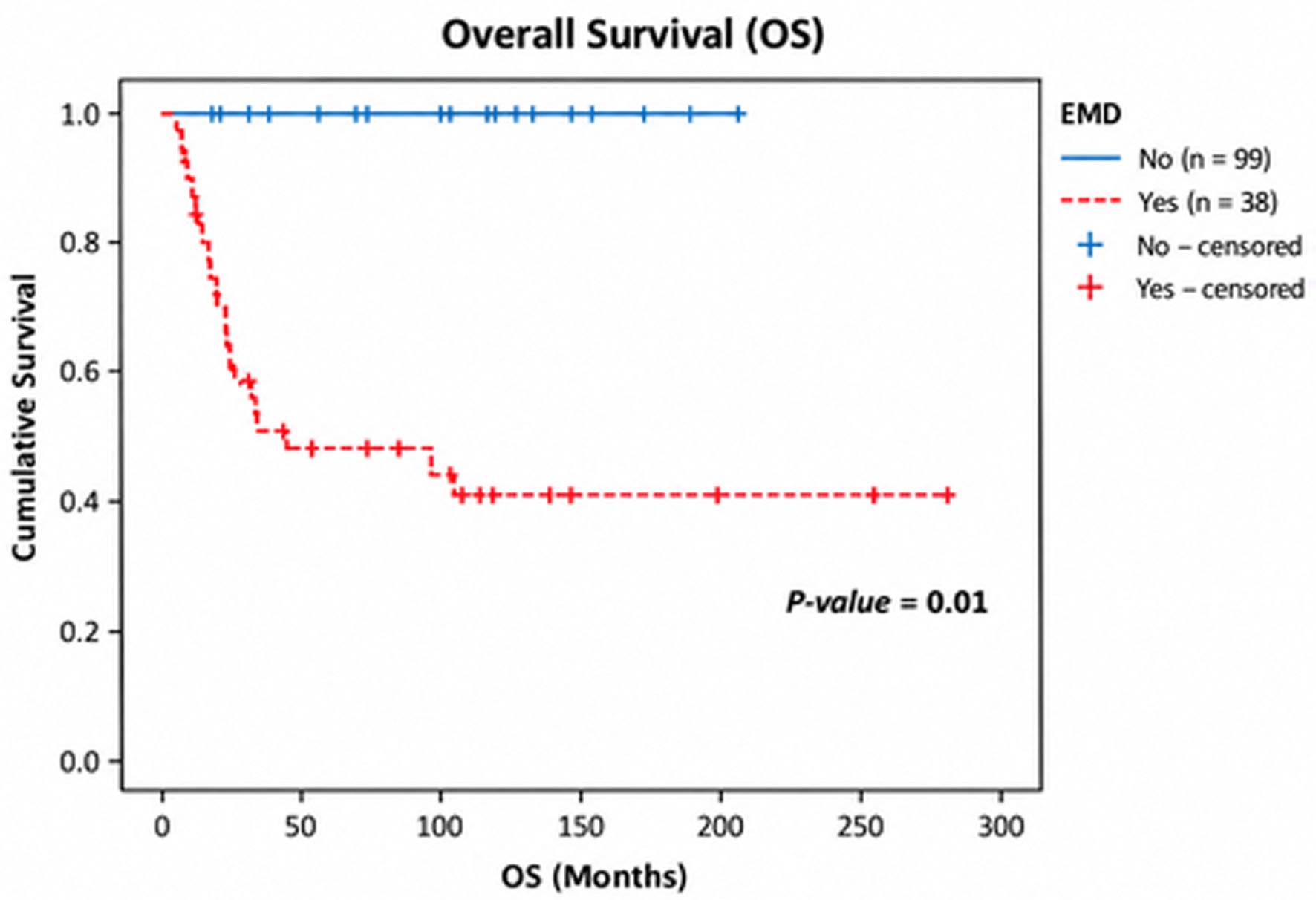 Click for large image | Figure 5. Overall survival by presence or absence of extramedullary disease. |
Comparison of outcomes of PRT groups
Of the 59 patients, six did not receive adequate PRT: four due to patient choice (mainly refusals), one had poor physical performance status, and one became pregnant. Four patients had early relapse prior to receiving PRT (Fig. 6).
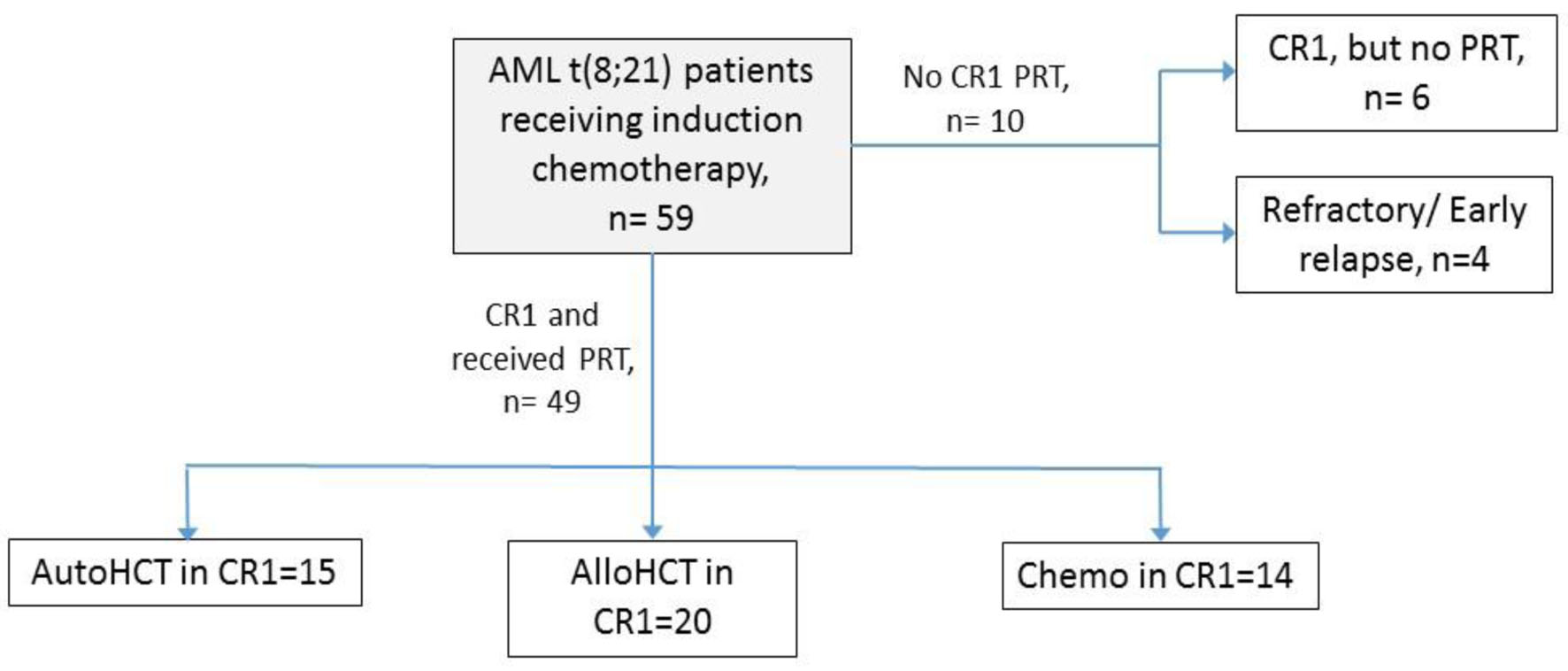 Click for large image | Figure 6. Consort diagram of treated patients. PRT: post-remission therapy. |
Of the 49 patients achieving a sustained first remission and receiving adequate PRT, 15 received an autoHCT, 20 received an alloHCT, and 14 received chemotherapy.
Chemotherapy (HIDAC) arm outcomes
For the 14 patients who received HIDAC alone in CR1, the median number of total chemotherapy cycles was 4 (3–5). The median number of post-remission cycles of HIDAC was 3 (2–4); only two patients had two cycles of post-remission HIDAC. Seven patients had an attempt at mobilization with either HAM or HIDAC but failed and proceeded with further course of chemotherapy. There were no treatment-related deaths in the HIDAC arm. Only one patient (7%) developed central nervous system (CNS) toxicity in the form of cerebellar syndrome after the second cycle of HIDAC, complicating only one in 37 (2.7%) administered cycles.
The cumulative incidence of relapse (CIR) at 5 years was 71.1%. The 5-year and 10-year EFS for this cohort were both 29%. The 5-year and 10-year OS were 55.9% and 37.3%, respectively.
AutoHCT outcomes
Fifteen patients received an autoHCT and conditioning regimens were Bu/etoposide in 11 (73%) patients, total body irradiation (TBI)-based in three (20%), and busulfan (Bu)/cyclophosphamide (Cy) in one (6.7%). There were no procedure-related deaths in this cohort (NRM 0%), and there were no incidences of CNS toxicity in these patients in whom 21 cumulative cycles of HIDAC were administered.
EFS was 64.6% and 50.5% at 5 and 10 years, respectively. OS was 77.5% and 62% at 5 and 10 years, respectively. The CIR at 5 years was 35.8%.
AlloHCT outcomes
Of the 20 patients who had an alloHCT, indications for transplant were variable and included contemporaneous practice (n = 5), CD56+ (n = 7), EMD (n = 1), and other indications (n = 7). Thirteen of these patients were transplanted prior to 2005. At least one patient had an alloHCT after a failed mobilization attempt.
Sixteen patients received Bu/Cy, two patients received Cy/TBI, one fludarabine (Flu)/TBI, and one Bu/Flu.
Probability of acute GVHD (aGVHD) (all grades) was 30%; probability of cGVHD at 5 years was 45%. The CIR at 5 years was 41% (found to be 28% in the new results). NRM at 5 years was 20%. The 5- and 10-year EFS were 55%.
The 5- and 10-year OS were 64.6% in this cohort, and GRFS was 20% at 5 years.
Comparison of PRT arms
While there was a trend towards better OS and EFS in the transplant arms, there was no statistical difference in OS or EFS between the three arms (Fig. 7).
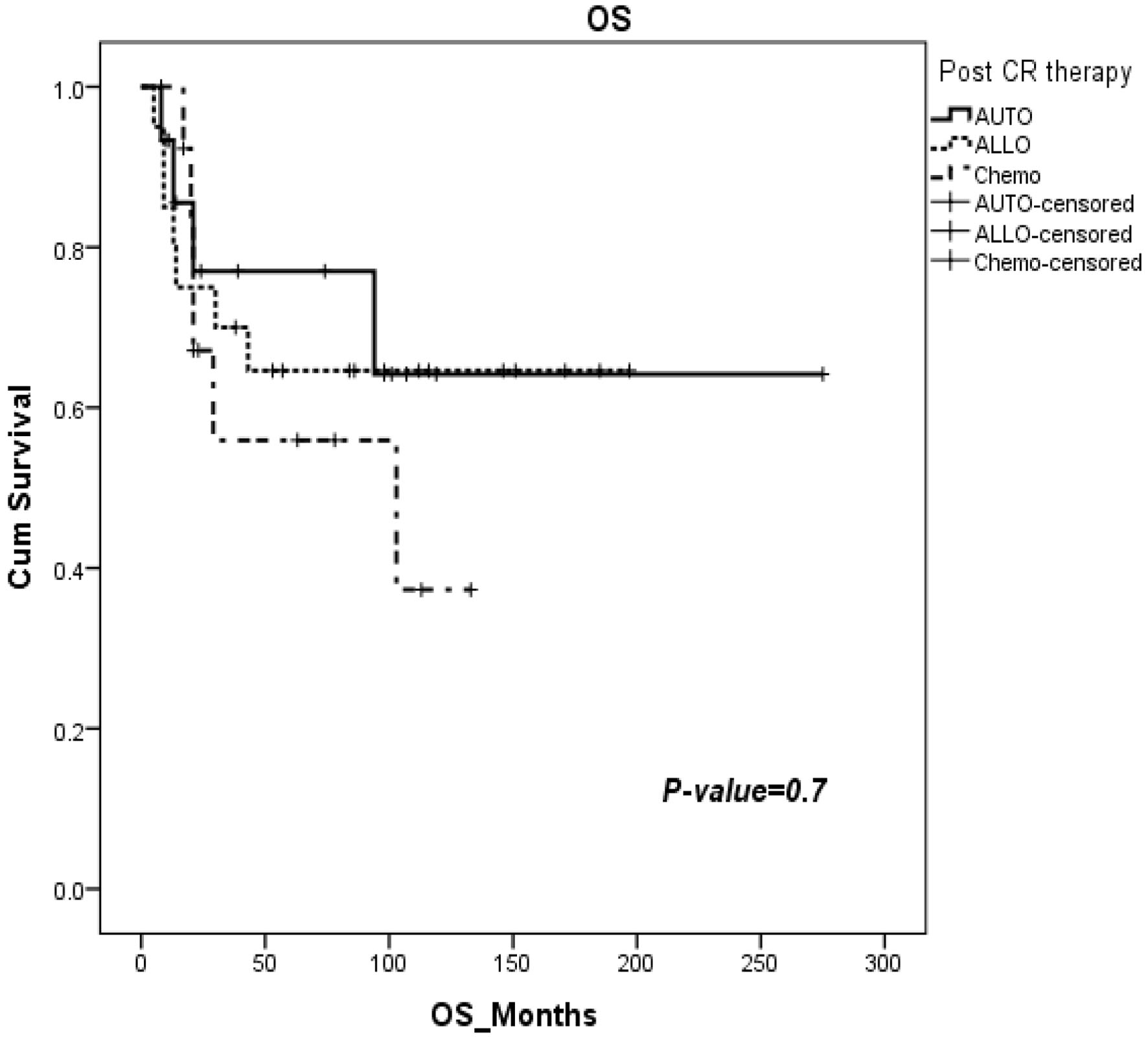 Click for large image | Figure 7. Overall survival of patients by post-remission therapy arms. |
The CIR was significantly higher for patients receiving chemotherapy versus those who received any form of HCT (autoHCT + alloHCT): 5-year CIR for HCT arm was 31.6% versus 71.1% for the chemo arm (P = 0.04).
The 5-year NRM for the HCT arm was 12%, compared with 0% for chemotherapy arm (P = 0.1) (Fig. 8; Table 3).
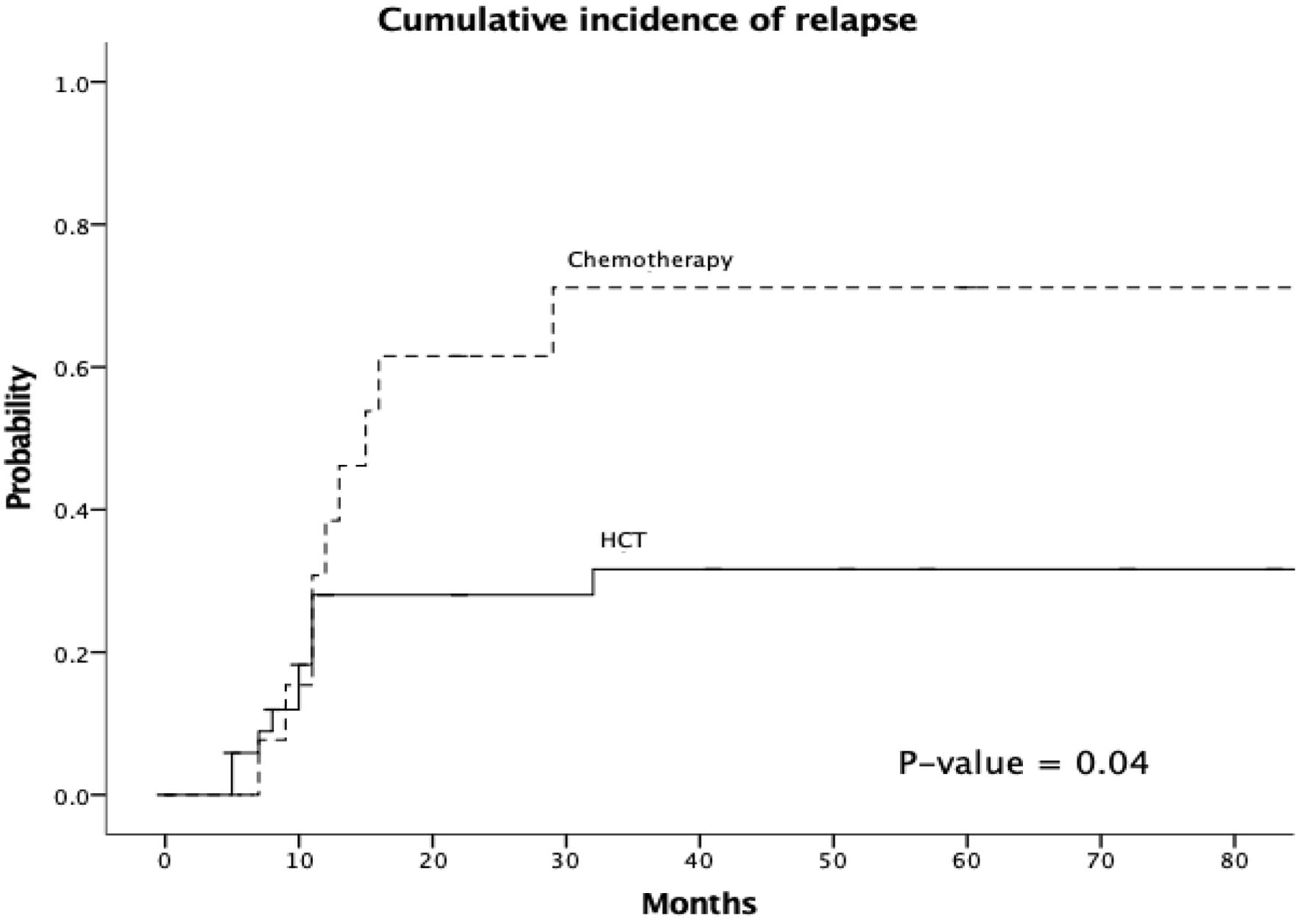 Click for large image | Figure 8. Cumulative incidence of relapse by post-remission therapy, hematopoietic cell transplantation vs. chemotherapy. |
Click to view | Table 3. CIR and NRM by Post-Remission Therapy |
Resource utilization
The data presented show variations in treatment costs over the first year following diagnosis, comparing chemotherapy, autoHCT, and alloHCT. Notably, autoHCT emerges as the most cost-effective option, showing significant reductions in overall expenses compared to the other modalities (P = 0.05).
Hospitalization metrics such as the median number of admissions and the duration of inpatient stays also vary across these treatments during both the initial year and the subsequent 2 years. In the first year, autoHCT showed fewer admissions and shorter durations of inpatient stays, a trend that persisted, albeit marginally, over the following 2 years (P = 0.06). The reduction in inpatient stay for autoHCT was particularly notable in the first year (P = 0.05), and while these numbers saw a slight increase over 3 years, the differences remained non-significant (P = NS).
While no formal quality of life assessment was conducted, the observational data suggest that patients receiving chemotherapy tend to experience higher relapse rates, more frequent hospital admissions, and longer hospital stays. These factors are significant as they can adversely affect patient quality of life. Such insights are vital for informing strategies to optimize treatment outcomes and enhance patient care in hematological settings.
| Discussion | ▴Top |
We present a sizable number of young patients from a tertiary care center with AML with t(8;21) who have modest outcomes, and unexpectedly high relapse rates with HIDAC consolidation alone. The findings of a higher WBC count (> 20 × 109/L) being associated with a worse outcome are consistent with published literature, and the cut-off has been used to further stratify patients with t(8;21) into favorable and intermediate risk [5, 18]. EMD was associated with a better outcome, despite small numbers in univariate but not multivariate analysis. Of note, an analysis of over 3,000 patients in consecutive Eastern Cooperative Oncology Group (ECOG) studies demonstrated no independent prognostic impact of EMD across any of the AML subtypes [11].
The relapse rate in patients receiving chemotherapy alone was unacceptably high at 71%, even in patients receiving four cycles of HIDAC at a dose of 3 g/m2. This contrasts with the relapse rates of 35% and 42% in good-risk patients in MRC AML 10 trial and a combined US study of CBF, respectively [8, 19]. Of note, patients in those cohorts were older than in our report.
The reason for such a high relapse rate in our cohort is not entirely clear. Aplenc et al reported that Hispanic and black children with AML t(8,21) have worse survival than white children in two Children’s Cancer Group (CCG) trials, and analysis of the CALGB 8461 study of adult AML identified non-white ethnicity as being significantly associated with a higher risk of failure to achieve remission and higher risk of death in patients with t(8;21) [17, 18]. In addition to ethnic disparities in these clinical studies, in vitro studies have suggested differential sensitivities of cell lines from different ethnic groups to Ara-C. Gene expression profiling studies demonstrate that up-/downregulation of certain genes may affect susceptibility to Ara-C and population-specific genetic variants may play a role in Ara-C susceptibility [20]. CNS toxicity, especially cerebellar toxicity, was also relatively low, affecting only one (1.6%) patient in the entire cohort and 3.4% in the HIDAC and autoHCT arms; this may also be related to differential sensitivity or metabolism.
In our cohort, while patients receiving a transplant had a trend towards better survival, this was not statistically significant. Relapse rates were much lower with a transplant, and were the lowest in those patients receiving an allograft as would be expected. CBF-AML patients may be more susceptible to graft-versus-leukemia (GvL) effects, as suggested by these patients having the best outcomes with donor lymphocyte infusions (DLIs) in post-transplant relapses [21].
There were no significant differences in outcomes following first relapse (data not shown), and management of these patients is challenging. Indeed, patients with relapse t(8;21) have been reported to fare worse than inversion 16 (inv16) patients in relapse [22].
A number of studies have shown an advantage to transplantation in patients with CBF-AML; however, an allograft is not currently recommended in AML t(8;21) [2, 13]. While an autoHCT in CR1 was previously an option in the NCCN guidelines, this was subsequently removed as an option [2, 23]. We, however, show that in addition to having low toxicity and significantly reducing relapse risk, an autoHCT may be more cost-effective and is less burdensome on hospital resources, especially in the first year of treatment [24]. If a transplant is considered, there is no significant difference in outcomes between autoHCT and alloHCT in CBF-AML patients transplanted in first remission [25].
The European LeukemiaNet AML Working Party consensus statement on alloHCT for patients with AML in remission cites a relapse rate for good-risk AML of 35–40%, for intermediate of 50–55%, and for poor risk of 70–80% [26]. The relapse rate with HIDAC we report in our series for t(8;21) is much higher and approaches the relapse rates for poor risk disease in published literature. This merits consideration of a more intensive approach than repetitive HIDAC cycles [26].
There are a number of limitations to our study. Being a retrospective cohort of patients not on a trial, there was a variation in treatment based on perceived risk factors. In addition, the cohort spans a significant period of time over which prognostic factors and treatment recommendations evolved, although therapeutic agents had remained unchanged. Molecular profile, both for mutations such as c-KIT and FLT3, as well as for quantitative RUNX1-ETO transcripts, was limited to only a more recent group of patients and small numbers preclude replication of published MRD study conclusions [9, 10].
Notably, TP53 mutation status was not assessed in this cohort, as next-generation sequencing-based mutation panels were not part of routine diagnostic practice for the majority of the accrual period; this is an important additional limitation given the prognostic relevance of TP53 in AML more broadly. Similarly, granular data on infectious complications and, for autologous transplant recipients, stem cell mobilization yield (CD34+ cell dose) and time to engraftment were not uniformly captured in this retrospective registry and could not be analyzed in detail; NRM, reported above, is presented as a global surrogate for treatment-related toxicity. EMD was identified based on clinical assessment and imaging performed when clinically indicated rather than as part of a mandatory screening protocol in asymptomatic patients, which may have led to underestimation of its true prevalence. Given the absence of molecular MRD-based risk stratification in this cohort, and current guidelines that increasingly rely on MRD kinetics rather than baseline cytogenetics alone to guide PRT even in favorable-risk t(8;21) AML, our findings should be regarded as hypothesis-generating for a prospective, MRD-integrated comparison of transplantation versus chemotherapy consolidation, rather than as a basis for an immediate change in practice.
With the recent approval of gemtuzumab ozogamicin (GO) in patients with CD33+ AML, GO is likely to be more widely used in induction. Addition of GO is associated with a significant improvement in survival both in upfront therapy and at relapse [22, 27]. However, given the ethnic variation in outcomes reported in CBF AML, and especially given the results we report, the role of incorporation of GO in induction where post-remission autoHCT is an option warrants investigation [28]. Furthermore, incorporation of baseline mutation analysis using next-generation sequencing for KIT, RAS, and ASXL and other mutations KIT, RAS-pathway genes, ASXL1, and TP53, among other mutations and post induction MRD will further allow risk and response adapted therapy.
In conclusion, we report that young Middle Eastern patients with AML t(8;21) have modest outcomes, with a high relapse rate with HIDAC chemotherapy alone. In such a setting, transplantation in first remission may be justified as a therapeutic option [28]; prospective studies in non-White populations are required to make further recommendations. Specific priorities for future research include: prospective, multi-center or propensity-matched comparison of transplantation versus HIDAC consolidation in non-White populations; incorporation of baseline NGS-based mutation profiling (including KIT, FLT3, RAS-pathway genes, ASXL1, and TP53) into risk stratification; serial RUNX1-RUNX1T1 transcript-based MRD monitoring to guide post-remission treatment selection; systematic, prospectively collected data on treatment-related toxicity (including infectious complications) and transplant-specific outcomes (stem cell mobilization and engraftment); and formal quality-of-life and cost-effectiveness assessment integrated within a randomized or propensity-matched trial design. Our protocol of single induction with 3+7 or ICE followed by HAM consolidation/mobilization and then Bu/etoposide autoHCT is safe, efficacious, and appears cost-effective in the first year of therapy. Quality of life and cost-effectiveness need to be incorporated into studies of AML PRTs in order to better guide decision making especially where there is outcome equipoise [29].
Acknowledgments
The authors acknowledge the clinical, laboratory, pathology, transplantation, and research teams at King Faisal Specialist Hospital and Research Centre for their contributions to the care of patients and maintenance of the institutional AML registry and clinical databases.
Financial Disclosure
No external funding was received for this study.
Conflict of Interest
The authors declare no conflict of interest.
Informed Consent
Not applicable.
Author Contributions
Fatima AlAli: conceptualization, study design, data collection, data curation, statistical analysis, interpretation of results, manuscript drafting, and manuscript revision. Ahmed Alahmdi: data collection, clinical data interpretation, and manuscript revision. Abdulrahman Nasiri, Mohamed Hitham Almahayni, Tusneem Elhassan, Haya Alothaimeen, and Hanan Alkhaldi: data collection and manuscript revision. Walid Rasheed: data collection, clinical interpretation, and manuscript revision. Ahmad S. Alotaibi: clinical data interpretation and manuscript revision. Marwan Shaheen: study supervision, clinical interpretation, and manuscript revision. Mansour Alfayez, Ali AlAhmari, Omar Albanyan, Shahrukh Hashmi, Naeem Chaudhri, Fahad AlSharif, Said Y Mohamed, Feras Alfraih, Shad Ahmed, Ghada ElGohary, Alfadil Adam, Mostafa Saleh, Ahmed Bin Slaman, Momen Nassani, Yazeed Bajuaifer, Heba Madien, Shihab Ahmed, Samar Alfaqaawi, Chokri Benlamine, Leenah Ali, Marwa Nassar, Manar Aleid, Nourah Alzaidy, Riad ElFakih, and Ayman Saad: Clinical interpretation and manuscript revision. Salim Khalil and Hala AbaAlkhail: pathology-related data interpretation and manuscript revision. Taimoor Hussein and Ahmed Kotob Abdrabou: data interpretation and manuscript revision. Amr Hanbali, Hazzaa Alzahrani, Mahmoud Aljurf, and Fahad Almohareb: study supervision, clinical interpretation, and critical manuscript revision. Syed Osman Ahmed: study supervision, clinical interpretation, critical manuscript revision, and overall senior oversight. All authors reviewed and approved the final manuscript and agree to be accountable for the work.
Data Availability
The data supporting the findings of this study are available from the corresponding author upon reasonable request.
| References | ▴Top |
- Dohner H, Wei AH, Appelbaum FR, Craddock C, DiNardo CD, Dombret H, Ebert BL, et al. Diagnosis and management of AML in adults: 2022 recommendations from an international expert panel on behalf of the ELN. Blood. 2022;140(12):1345-1377.
doi pubmed - O'Donnell MR, Tallman MS, Abboud CN, Altman JK, Appelbaum FR, Arber DA, Bhatt V, et al. Acute myeloid leukemia, Version 3.2017, NCCN clinical practice guidelines in oncology. J Natl Compr Canc Netw. 2017;15(7):926-957.
doi pubmed - Zhai Y, Wang Q, Ji L, Ren H, Dong Y, Yang F, Yin Y, et al. Clinical characteristics and prognostic factors analysis of core binding factor acute myeloid leukemia in real world. Cancer Med. 2023;12(24):21592-21604.
doi pubmed - Paschka P, Marcucci G, Ruppert AS, Mrozek K, Chen H, Kittles RA, Vukosavljevic T, et al. Adverse prognostic significance of KIT mutations in adult acute myeloid leukemia with inv(16) and t(8;21): a Cancer and Leukemia Group B Study. J Clin Oncol. 2006;24(24):3904-3911.
doi pubmed - Nguyen S, Leblanc T, Fenaux P, Witz F, Blaise D, Pigneux A, Thomas X, et al. A white blood cell index as the main prognostic factor in t(8;21) acute myeloid leukemia (AML): a survey of 161 cases from the French AML Intergroup. Blood. 2002;99(10):3517-3523.
doi pubmed - Schnittger S, Kohl TM, Haferlach T, Kern W, Hiddemann W, Spiekermann K, Schoch C. KIT-D816 mutations in AML1-ETO-positive AML are associated with impaired event-free and overall survival. Blood. 2006;107(5):1791-1799.
doi pubmed - Baer MR, Stewart CC, Lawrence D, Arthur DC, Byrd JC, Davey FR, Schiffer CA, et al. Expression of the neural cell adhesion molecule CD56 is associated with short remission duration and survival in acute myeloid leukemia with t(8;21)(q22;q22). Blood. 1997;90(4):1643-1648.
pubmed - Appelbaum FR, Kopecky KJ, Tallman MS, Slovak ML, Gundacker HM, Kim HT, Dewald GW, et al. The clinical spectrum of adult acute myeloid leukaemia associated with core binding factor translocations. Br J Haematol. 2006;135(2):165-173.
doi pubmed - Jourdan E, Boissel N, Chevret S, Delabesse E, Renneville A, Cornillet P, Blanchet O, et al. Prospective evaluation of gene mutations and minimal residual disease in patients with core binding factor acute myeloid leukemia. Blood. 2013;121(12):2213-2223.
doi pubmed - Yin JA, O'Brien MA, Hills RK, Daly SB, Wheatley K, Burnett AK. Minimal residual disease monitoring by quantitative RT-PCR in core binding factor AML allows risk stratification and predicts relapse: results of the United Kingdom MRC AML-15 trial. Blood. 2012;120(14):2826-2835.
doi pubmed - Byrd JC, Weiss RB, Arthur DC, Lawrence D, Baer MR, Davey F, Trikha ES, et al. Extramedullary leukemia adversely affects hematologic complete remission rate and overall survival in patients with t(8;21)(q22;q22): results from Cancer and Leukemia Group B 8461. J Clin Oncol. 1997;15(2):466-475.
doi pubmed - Burnett AK, Russell NH, Hills RK, Hunter AE, Kjeldsen L, Yin J, Gibson BE, et al. Optimization of chemotherapy for younger patients with acute myeloid leukemia: results of the medical research council AML15 trial. J Clin Oncol. 2013;31(27):3360-3368.
doi pubmed - Schlenk RF, Pasquini MC, Perez WS, Zhang MJ, Krauter J, Antin JH, Bashey A, et al. HLA-identical sibling allogeneic transplants versus chemotherapy in acute myelogenous leukemia with t(8;21) in first complete remission: collaborative study between the German AML Intergroup and CIBMTR. Biol Blood Marrow Transplant. 2008;14(2):187-196.
doi pubmed - Ahmed S, Al-Qurashi F, Chaudhri N, Aljurf M, Al-Zahrani H, Al-Sharif F, et al. Allogeneic haematopoietic stem cell transplantation in AML t (8; 21) in first complete remission gives superior relapse free survival over repetitive high-dose cytosine arabinoside in certain populations. Bone Marrow Transplantation. 2009;43(S1):S99.
- Shaheen M, Ahmed S, Rasheed W, Mohamed S, Chaudhri N, Alsharif F, et al. Hematopoietic Cell Transplantation including Autologous Transplantation leads to superior Free Disease Survival in young Adults with t (8; 21) AML: P676. Bone Marrow Transplantation. 2016;51:S474-S475.
- Chen CC, Gau JP, Yu YB, Lu CH, Lee KD, You JY. Prognosis and treatment outcome in patients with acute myeloid leukemia with t(8;21)(q22;q22). Adv Ther. 2007;24(4):907-920.
doi pubmed - Children's Oncology Group, Aplenc R, Alonzo TA, Gerbing RB, Smith FO, Meshinchi S, Ross JA, et al. Ethnicity and survival in childhood acute myeloid leukemia: a report from the Children's Oncology Group. Blood. 2006;108(1):74-80.
doi pubmed - Marcucci G, Mrozek K, Ruppert AS, Maharry K, Kolitz JE, Moore JO, Mayer RJ, et al. Prognostic factors and outcome of core binding factor acute myeloid leukemia patients with t(8;21) differ from those of patients with inv(16): a Cancer and Leukemia Group B study. J Clin Oncol. 2005;23(24):5705-5717.
doi pubmed - Grimwade D, Walker H, Oliver F, Wheatley K, Harrison C, Harrison G, Rees J, et al. The importance of diagnostic cytogenetics on outcome in AML: analysis of 1,612 patients entered into the MRC AML 10 trial. The Medical Research Council Adult and Children's Leukaemia Working Parties. Blood. 1998;92(7):2322-2333.
pubmed - Hartford CM, Duan S, Delaney SM, Mi S, Kistner EO, Lamba JK, Huang RS, et al. Population-specific genetic variants important in susceptibility to cytarabine arabinoside cytotoxicity. Blood. 2009;113(10):2145-2153.
doi pubmed - Schmid C, Labopin M, Nagler A, Bornhauser M, Finke J, Fassas A, Volin L, et al. Donor lymphocyte infusion in the treatment of first hematological relapse after allogeneic stem-cell transplantation in adults with acute myeloid leukemia: a retrospective risk factors analysis and comparison with other strategies by the EBMT Acute Leukemia Working Party. J Clin Oncol. 2007;25(31):4938-4945.
doi pubmed - Hospital MA, Prebet T, Bertoli S, Thomas X, Tavernier E, Braun T, Pautas C, et al. Core-binding factor acute myeloid leukemia in first relapse: a retrospective study from the French AML Intergroup. Blood. 2014;124(8):1312-1319.
doi pubmed - O'Donnell MR, Abboud CN, Altman J, Appelbaum FR, Arber DA, Attar E, Borate U, et al. NCCN clinical practice guidelines acute myeloid leukemia. J Natl Compr Canc Netw. 2012;10(8):984-1021.
doi pubmed - Capria S, Trisolini SM, Diverio D, Minotti C, Breccia M, Cartoni C, Carmini D, et al. Autologous stem cell transplantation in favorable-risk acute myeloid leukemia: single-center experience and current challenges. Int J Hematol. 2022;116(4):586-593.
doi pubmed - Gorin NC, Labopin M, Frassoni F, Milpied N, Attal M, Blaise D, Meloni G, et al. Identical outcome after autologous or allogeneic genoidentical hematopoietic stem-cell transplantation in first remission of acute myelocytic leukemia carrying inversion 16 or t(8;21): a retrospective study from the European Cooperative Group for Blood and Marrow Transplantation. J Clin Oncol. 2008;26(19):3183-3188.
doi pubmed - Cornelissen JJ, Gratwohl A, Schlenk RF, Sierra J, Bornhauser M, Juliusson G, Racil Z, et al. The European LeukemiaNet AML Working Party consensus statement on allogeneic HSCT for patients with AML in remission: an integrated-risk adapted approach. Nat Rev Clin Oncol. 2012;9(10):579-590.
doi pubmed - Hills RK, Castaigne S, Appelbaum FR, Delaunay J, Petersdorf S, Othus M, Estey EH, et al. Addition of gemtuzumab ozogamicin to induction chemotherapy in adult patients with acute myeloid leukaemia: a meta-analysis of individual patient data from randomised controlled trials. Lancet Oncol. 2014;15(9):986-996.
doi pubmed - Choi EJ, Lee JH, Kim H, Choi Y, Lee WS, Lee SM, Park JH, et al. Autologous hematopoietic cell transplantation following high-dose cytarabine consolidation for core-binding factor-acute myeloid leukemia in first complete remission: a phase 2 prospective trial. Int J Hematol. 2021;113(6):851-860.
doi pubmed - Duan W, Liu X, Zhao X, Jia J, Wang J, Gong L, Jiang Q, et al. Both the subtypes of KIT mutation and minimal residual disease are associated with prognosis in core binding factor acute myeloid leukemia: a retrospective clinical cohort study in single center. Ann Hematol. 2021;100(5):1203-1212.
doi pubmed
This article is distributed under the terms of the Creative Commons Attribution 4.0 International License (CC BY 4.0), which permits unrestricted use, distribution, and reproduction in any medium, including commercial use, provided the original work is properly cited.
Journal of Hematology is published by Elmer Press Inc.